









Understanding Sciatica and Its Life-Altering Impact
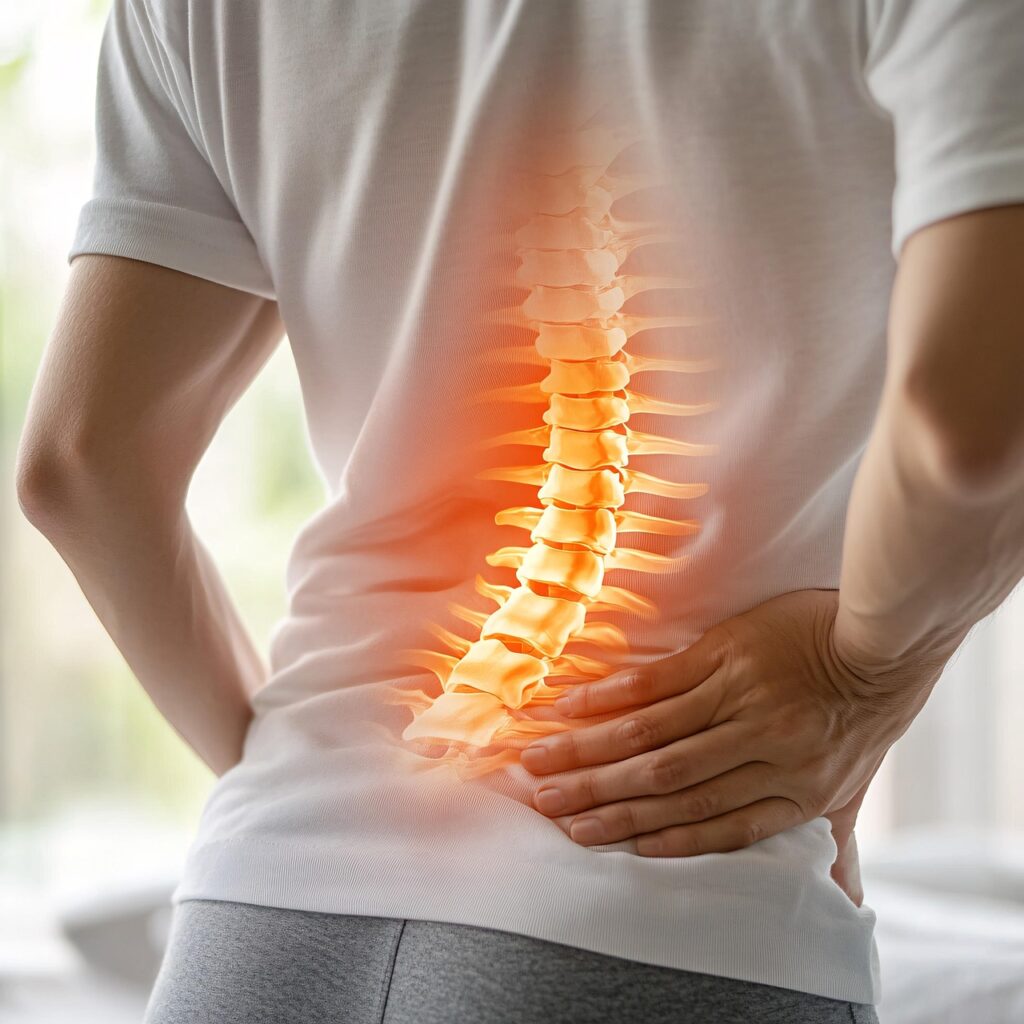
Sciatica describes pain radiating along the sciatic nerve path from the lower back through the buttocks and down the leg, affecting up to 40% of people during their lifetime. This debilitating condition ranges from mild tingling to excruciating pain preventing normal activities. At Primary Health Clinic, our chiropractic for sciatica relief addresses the root causes rather than masking symptoms with medication. The sciatic nerve, formed from nerve roots L4 through S3, is the body’s largest nerve, explaining why irritation creates such widespread symptoms. Patients describe burning, shooting, or electric-like sensations often accompanied by numbness, tingling, or weakness. Our comprehensive approach identifies specific compression sites and contributing factors through detailed assessment. Whether your sciatica stems from disc herniation, piriformis syndrome, spinal stenosis, or sacroiliac dysfunction, we develop targeted treatment plans combining spinal adjustments, decompression techniques, and rehabilitative exercises for lasting relief.
Multiple Causes of Sciatic Nerve Irritation
Sciatica develops through various mechanisms, each requiring specific treatment approaches. Lumbar disc herniations represent the most common cause, with nucleus pulposus material compressing nerve roots. Spinal stenosis narrows the canal housing nerve roots, particularly affecting older adults. Spondylolisthesis involves vertebral slippage creating nerve compression. Piriformis syndrome occurs when this deep hip muscle spasms or tightens, compressing the sciatic nerve passing beneath or through it. Sacroiliac joint dysfunction creates referred pain mimicking sciatica. Degenerative disc disease reduces disc height, narrowing nerve exit spaces. Pregnancy-related sciatica results from weight changes, postural adaptations, and hormonal effects on ligaments. Trauma from falls or accidents can create acute nerve irritation. Tumors, though rare, occasionally compress nerve structures. Our diagnostic process identifies your specific cause, as treatment effectiveness depends on addressing the correct underlying pathology rather than treating sciatica as a uniform condition.
Comprehensive Diagnostic Evaluation for Accurate Treatment
Precise diagnosis drives successful sciatica treatment, making our thorough evaluation essential. Patient history explores symptom onset, pain patterns, and aggravating or relieving factors. We document whether pain worsens with sitting, standing, walking, or specific movements. Questions about bowel or bladder changes identify potential cauda equina syndrome requiring immediate referral. Physical examination includes detailed postural analysis identifying shifts or compensations. Lumbar range of motion testing reveals directional preferences affecting symptoms. Straight leg raise testing reproduces sciatic symptoms confirming nerve involvement. Slump testing differentiates neural versus muscular sources. Piriformis testing identifies hip muscle involvement. Neurological assessment evaluates reflexes, sensation, and motor strength along affected nerve distributions. Functional tests examine walking patterns, sit-to-stand ability, and position tolerance. When indicated, we review or recommend imaging including MRI for soft tissue detail or CT for complex cases. This comprehensive assessment ensures accurate diagnosis guiding optimal treatment selection.
Specialized Chiropractic Adjustments for Sciatica
Our sciatica pain relief protocols employ specific adjustment techniques targeting identified dysfunction. Lumbar adjustments restore proper vertebral alignment reducing nerve root compression. Side-posture adjustments effectively address L4-L5 and L5-S1 segments where most herniations occur. Flexion-distraction technique creates negative pressure drawing herniated disc material away from nerves. Cox technique combines controlled traction with specific hand contacts for disc-related sciatica. Sacroiliac adjustments correct pelvic imbalances contributing to nerve irritation. Drop table techniques reduce force requirements while maintaining effectiveness for acute pain. Instrument-assisted adjustments provide gentle treatment when manual adjustments prove too uncomfortable. We modify techniques based on symptom severity, patient tolerance, and specific pathology. Each adjustment aims to reduce nerve compression, improve spinal mechanics, and facilitate natural healing processes. Progressive treatment advances as symptoms centralize from leg toward back, indicating positive response.
Spinal Decompression Therapy for Disc-Related Sciatica
Non-surgical spinal decompression provides powerful relief for disc-related sciatica. This computerized traction creates negative pressure within discs, promoting retraction of herniated material away from nerve roots. Treatment sessions typically last 20-30 minutes with gradual force progression based on patient comfort. The cyclic traction and relaxation phases prevent muscle guarding while achieving therapeutic stretching. Decompression improves disc hydration through imbibition, supporting healing and regeneration. We combine decompression with specific positioning optimizing treatment effects for your herniation location. Patients often experience immediate relief, though complete protocols typically require 20-30 sessions for lasting results. Success rates for appropriate candidates range from 70-90% avoiding surgical intervention. We monitor progress through symptom tracking and functional improvements. This non-invasive approach offers hope for patients facing surgical recommendations or those who’ve failed other conservative treatments.
Piriformis Syndrome: Specialized Treatment Approaches
Piriformis syndrome requires different treatment than spine-related sciatica, focusing on hip muscle dysfunction. This deep hip muscle can compress the sciatic nerve through spasm, tightness, or anatomical variations. Our treatment combines specific stretching techniques targeting the piriformis while avoiding positions aggravating nerve compression. Manual therapy includes direct pressure release, post-isometric relaxation, and reciprocal inhibition techniques. Dry needling when appropriate provides deep muscle release not achievable through surface techniques. Hip joint mobilization addresses restrictions contributing to piriformis overactivity. Strengthening programs target weak hip muscles forcing piriformis overcompensation. Gait analysis identifies movement patterns perpetuating piriformis strain. Activity modification reduces repetitive stress during recovery. Most piriformis syndrome cases respond excellently to conservative care when correctly diagnosed and treated with appropriate techniques rather than generic sciatica protocols.
Exercise Rehabilitation and Movement Therapy
Active rehabilitation accelerates recovery and prevents sciatica recurrence. McKenzie exercises use specific movements centralizing symptoms from leg toward spine. Neural mobilization techniques gently stretch nerves improving mobility and reducing adhesions. Core strengthening provides spinal stability reducing disc stress. Hip flexibility exercises address restrictions contributing to compensatory spine stress. Specific stretches target areas of nerve entrapment or muscle tightness. Progressive walking programs improve endurance without aggravating symptoms. Pool therapy allows exercise with reduced spinal loading during acute phases. Balance training addresses proprioceptive deficits from nerve involvement. Functional exercises prepare for return to daily activities. We provide detailed home programs with video demonstrations ensuring proper form. Exercise prescription considers symptom irritability, progressing as tolerance improves. This active approach empowers patients in their recovery while building resilience against future episodes.
Lifestyle Modifications and Ergonomic Interventions
Daily habits significantly impact sciatica symptoms requiring comprehensive lifestyle assessment and modification. Sitting positions affect disc pressure and nerve compression, necessitating proper chair support and frequent position changes. Standing workstations allow position variation reducing sustained stress. Sleeping positions using strategic pillow placement minimize overnight nerve irritation. Proper lifting mechanics using legs rather than back prevent acute exacerbations. Weight management reduces mechanical stress on spine structures. Smoking cessation improves disc nutrition and healing capacity. Stress management prevents muscle tension contributing to nerve compression. Anti-inflammatory nutrition including omega-3 fatty acids and antioxidants supports healing. Hydration maintains disc health and reduces inflammation. Activity pacing balances rest with movement preventing both deconditioning and overuse. These modifications create an environment supporting healing while preventing symptom aggravation during recovery.
Managing Acute Sciatica Flare-Ups
Acute sciatica episodes require immediate, appropriate management preventing progression to chronic pain. Initial treatment focuses on pain reduction and inflammation control while maintaining tolerable activity levels. Specific positioning using pillows or supports reduces nerve tension providing relief. Ice application for 20 minutes every two hours during initial inflammation reduces swelling around nerves. After 48-72 hours, heat promotes blood flow and muscle relaxation. Gentle movements within pain-free ranges prevent stiffness and fear-avoidance behaviors. Modified activities maintain function while avoiding provocative positions. Natural anti-inflammatories including turmeric and ginger support healing. Breathing exercises and relaxation techniques manage pain-related anxiety. Clear guidance about red flags requiring emergency care versus expected symptoms provides reassurance. Most acute episodes improve significantly within 2-6 weeks with appropriate conservative management.
Chronic Sciatica: Long-Term Management Strategies
Chronic sciatica lasting over three months requires comprehensive management addressing physical and psychological factors. Regular chiropractic adjustments maintain spinal mobility preventing acute flares. Consistent exercise programs preserve strength and flexibility despite ongoing symptoms. Pain neuroscience education helps understand chronic pain mechanisms reducing fear and catastrophizing. Cognitive-behavioral strategies address negative thought patterns perpetuating disability. Graded exposure to feared movements builds confidence and function. Activity pacing prevents boom-bust cycles of overactivity followed by flares. Sleep optimization ensures restorative rest supporting healing. Support groups provide community and coping strategies. Vocational rehabilitation addresses work-related factors maintaining symptoms. Regular reassessment identifies needed treatment modifications. This integrated approach helps patients with chronic sciatica improve function and quality of life despite persistent symptoms.
When to Seek Emergency Care
While most sciatica responds to conservative care, certain symptoms require immediate medical attention. Cauda equina syndrome presents with bilateral leg symptoms, saddle numbness, and bowel or bladder dysfunction requiring emergency surgery. Progressive motor weakness suggests significant nerve compression needing urgent evaluation. Fever with back pain may indicate infection requiring antibiotics or surgical drainage. Unexplained weight loss with back pain warrants investigation for underlying pathology. Severe pain unresponsive to position changes or medication needs medical assessment. History of cancer with new back pain requires imaging to rule out metastasis. These red flags, though rare, require prompt recognition and appropriate referral. We screen for these conditions at every visit, immediately referring when identified. Patient education about warning signs ensures timely care when serious conditions develop.
Begin Your Journey to Sciatica Freedom
Living with sciatica pain doesn’t have to be your reality. Primary Health Clinic’s specialized chiropractic for sciatica relief offers comprehensive, evidence-based solutions addressing your specific condition. Our experienced chiropractors combine advanced diagnostic techniques with proven treatment methods including spinal adjustments, decompression therapy, and targeted rehabilitation. We understand sciatica’s devastating impact on work, sleep, and quality of life, providing compassionate care focused on lasting relief. From acute episodes to chronic conditions, our individualized treatment plans address root causes rather than just symptoms. Insurance coverage and flexible payment options ensure treatment accessibility. Don’t let sciatica control your life—schedule your comprehensive evaluation today. Our dedicated team at Primary Health Clinic stands ready to help you achieve lasting sciatica pain relief through expert chiropractic care specifically designed for sciatic nerve conditions. Contact us now to start your journey back to pain-free living and full activity participation.