









The Hidden Connection Between Spinal Health and Headaches
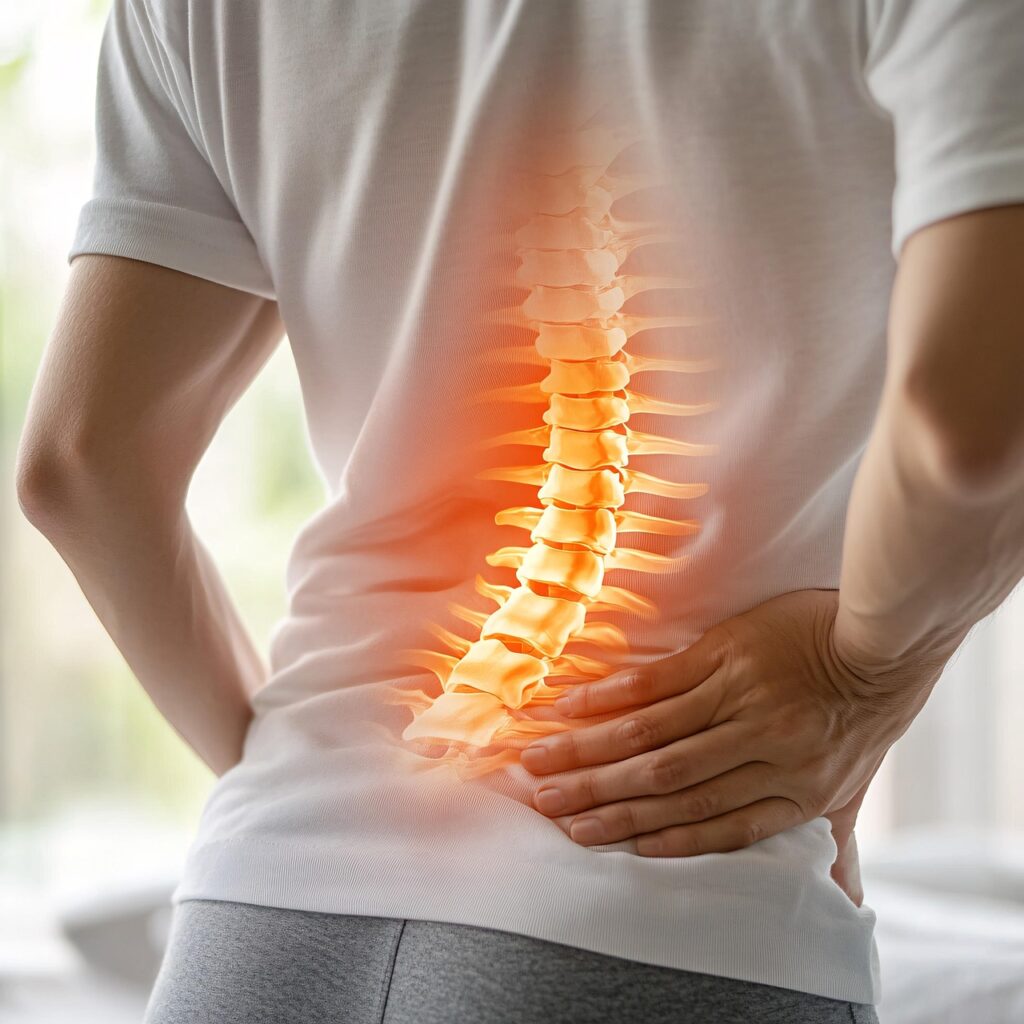
Millions suffer from debilitating headaches and migraines without realizing that spinal dysfunction often plays a crucial role in their pain. At Primary Health Clinic, our chiropractic treatment for headaches and migraines addresses the frequently overlooked cervical spine and nervous system components contributing to head pain. Research shows that up to 70% of headaches have a cervicogenic component, meaning they originate from structures in the neck. The intimate anatomical relationships between upper cervical vertebrae, cranial nerves, and blood vessels create multiple pathways through which spinal problems manifest as headaches. Our comprehensive approach identifies and treats these spinal contributors while recognizing that headaches are complex, multifactorial conditions. Through precise cervical adjustments, postural correction, trigger point therapy, and lifestyle modifications, we help patients reduce headache frequency, intensity, and medication dependence. Understanding that chronic headaches impact every aspect of life—from work productivity to family relationships—we provide hope and healing for those who’ve struggled with conventional treatments.
Types of Headaches Responsive to Chiropractic Care
Different headache types respond variably to chiropractic intervention, making accurate classification essential. Cervicogenic headaches originating from neck dysfunction typically present as one-sided pain starting at the skull base and radiating forward. These respond excellently to cervical adjustments and postural correction. Tension-type headaches, characterized by band-like pressure around the head, often involve muscle tension and stress components addressable through chiropractic care. Migraines, though primarily neurological, frequently have cervical triggers that chiropractic treatment can minimize. Cluster headaches may benefit from upper cervical adjustments affecting autonomic nervous system function. Post-traumatic headaches following whiplash or concussion often involve cervical dysfunction requiring specialized treatment. Mixed headache patterns combining multiple types require comprehensive approaches addressing all contributing factors. Our assessment process identifies your specific headache pattern, triggers, and cervical involvement to determine treatment appropriateness and develop targeted interventions maximizing relief potential.
Cervical Spine Dysfunction and Headache Mechanisms
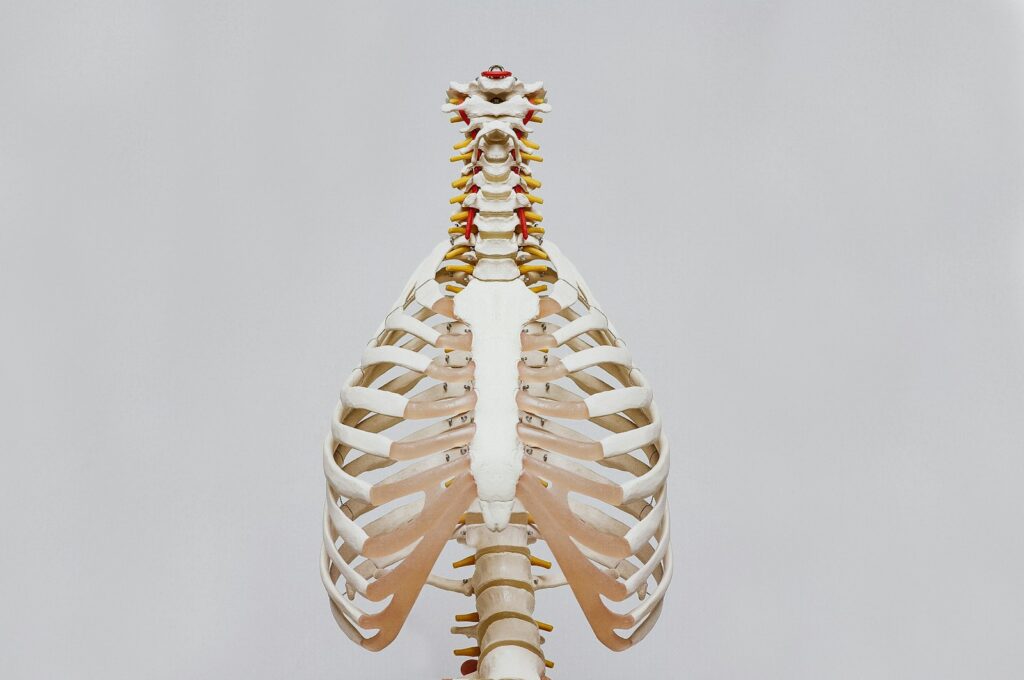
Understanding how neck problems create headaches explains chiropractic treatment effectiveness. The upper cervical spine’s unique anatomy includes specialized joints allowing extensive head movement while protecting vital structures. The C1-C2-C3 nerve complex converges with trigeminal nerve inputs in the trigeminocervical nucleus, creating referred pain patterns from neck to head. Suboccipital muscles containing high concentrations of proprioceptors influence head positioning and can trigger headaches when dysfunctional. Vertebral artery compression or irritation from cervical dysfunction affects cranial blood flow. Upper cervical subluxations alter cerebrospinal fluid dynamics potentially contributing to intracranial pressure changes. Muscle tension from poor posture creates myofascial trigger points referring pain to the head. Cervical joint restrictions alter mechanoreceptor input affecting pain processing. Our headache relief treatments address these mechanisms through targeted interventions restoring normal cervical function and reducing headache triggers.
Comprehensive Headache Assessment Protocols
Accurate diagnosis differentiates treatable cervical components from other headache causes requiring different management. Detailed history explores headache patterns, triggers, associated symptoms, and previous treatments. We use headache diaries tracking frequency, intensity, duration, and correlating factors. Questions about visual changes, nausea, or neurological symptoms identify migraine features or concerning pathology. Physical examination emphasizes cervical spine assessment including posture analysis revealing forward head position or upper crossed syndrome. Cervical range of motion testing identifies restrictions and movements reproducing headaches. Palpation locates tender points, muscle tension, and joint dysfunction throughout the cervical and upper thoracic spine. Orthopedic tests including cervical compression and distraction differentiate pain sources. Neurological screening ensures no serious underlying pathology. Vertebral artery testing ensures adjustment safety. Blood pressure measurement identifies hypertensive headaches. When indicated, we recommend imaging or refer for medical evaluation of concerning symptoms. This thorough assessment guides treatment planning and ensures appropriate care.
Specialized Adjustment Techniques for Headache Relief
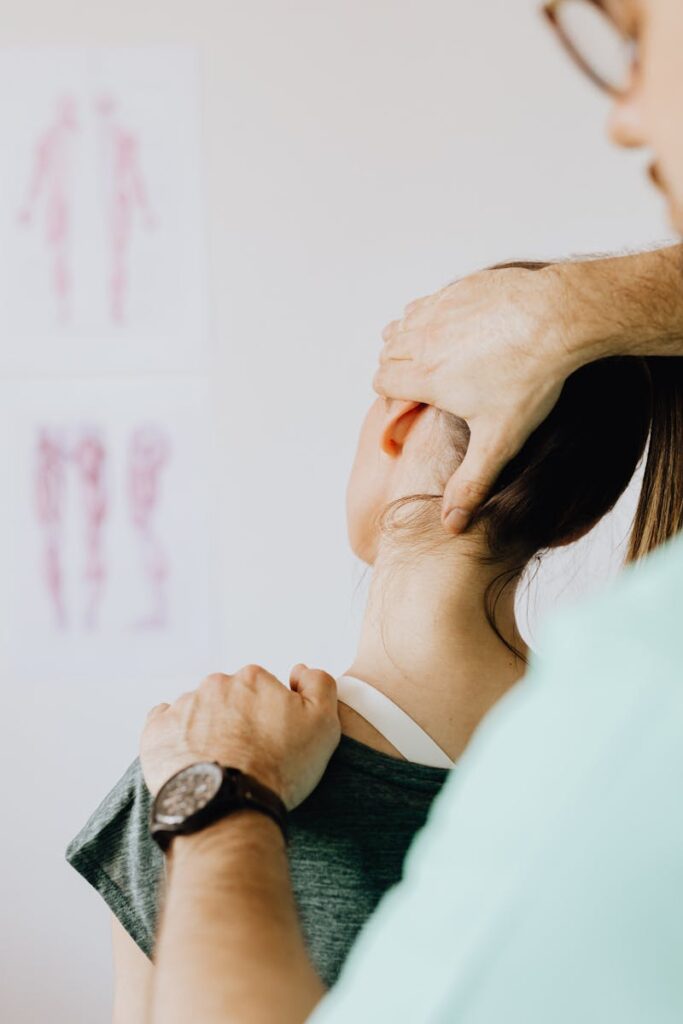
Our migraine treatment protocols employ specific adjustments targeting identified dysfunction patterns. Upper cervical specific techniques address atlas and axis misalignments frequently associated with headaches. Toggle recoil adjustments deliver precise, low-force corrections to C1-C2 complex. Gonstead technique uses detailed analysis determining exact adjustment vectors. Activator methods provide gentle, instrument-assisted adjustments for sensitive patients. Cranial techniques address craniosacral rhythm disturbances potentially contributing to headaches. Occipital release techniques reduce suboccipital muscle tension and improve circulation. Upper thoracic adjustments address compensatory patterns affecting cervical function. TMJ adjustments when indicated address jaw dysfunction contributing to headaches. We modify techniques based on headache type, patient tolerance, and response patterns. Treatment frequency typically begins at 2-3 times weekly during acute phases, tapering as improvement occurs. Most patients experience significant improvement within 4-6 weeks of consistent care.
Trigger Point Therapy and Myofascial Release
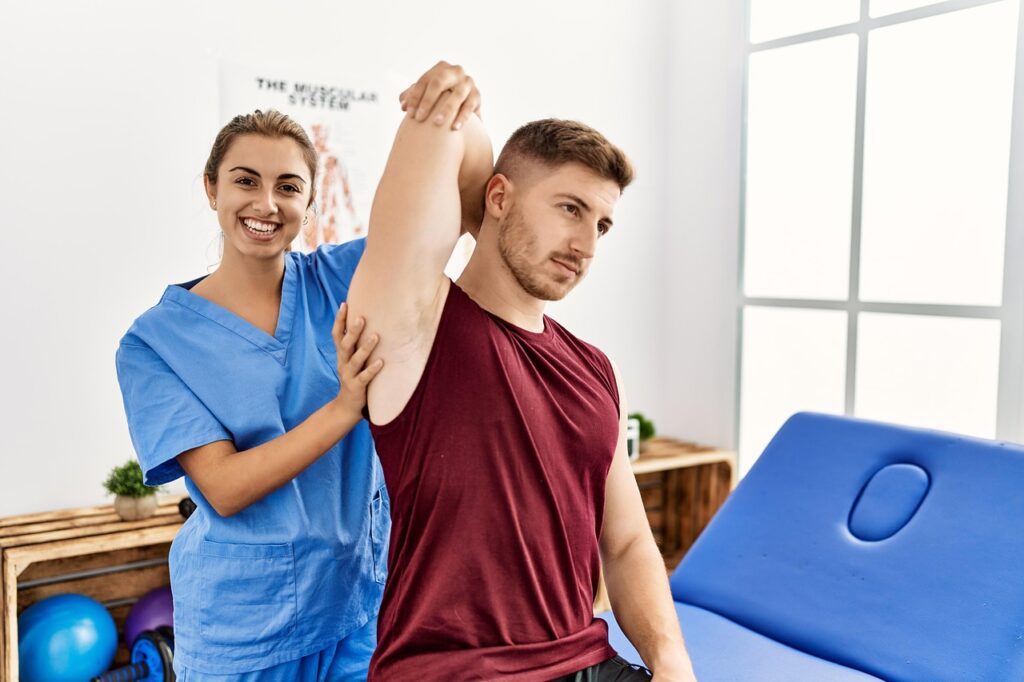
Muscular components significantly contribute to many headaches, requiring specific soft tissue interventions. Trigger points in cervical and shoulder muscles create referred pain patterns mimicking various headache types. Our treatment includes manual trigger point pressure release deactivating these pain generators. Ischemic compression techniques reduce trigger point activity and restore normal muscle function. Post-isometric relaxation combines muscle contraction with stretching for enhanced release. Reciprocal inhibition techniques use antagonist activation facilitating target muscle relaxation. Instrument-assisted soft tissue mobilization addresses fascial restrictions and chronic muscle tension. Dry needling when appropriate provides deep trigger point release. Stretching protocols target commonly involved muscles including upper trapezius, levator scapulae, and suboccipitals. Self-massage techniques using tennis balls or foam rollers maintain improvements between visits. This comprehensive soft tissue approach addresses the muscular components perpetuating headache cycles.
Postural Correction and Ergonomic Interventions
Poor posture represents a primary headache trigger requiring systematic correction. Forward head posture increases suboccipital muscle tension and cervical joint stress by up to 300%. Rounded shoulders create upper trapezius overactivity contributing to tension headaches. Our postural rehabilitation begins with detailed analysis using photographs and measurements. Specific exercises strengthen deep neck flexors counteracting forward head position. Scapular stabilization exercises improve shoulder positioning reducing upper trapezius strain. Workstation ergonomic assessment identifies problematic setups contributing to postural stress. Monitor positioning, chair adjustments, and keyboard placement optimize neutral spine alignment. Regular posture breaks every 30 minutes prevent sustained stress accumulation. Postural awareness exercises using mirrors or video feedback improve body positioning habits. Sleep position optimization reduces overnight cervical stress. These interventions create sustainable postural improvements reducing headache frequency and intensity.
Lifestyle Factors and Headache Prevention
Comprehensive headache management extends beyond manual treatment to address lifestyle triggers. Dietary factors including caffeine, alcohol, aged cheeses, and MSG can trigger headaches in sensitive individuals. We provide nutritional guidance identifying and eliminating personal triggers. Hydration optimization prevents dehydration headaches while supporting overall health. Sleep hygiene improvements including consistent schedules and quality pillows reduce headache frequency. Stress management techniques including breathing exercises, meditation, and progressive relaxation minimize tension accumulation. Regular exercise improves circulation and reduces stress without triggering exercise-induced headaches. Screen time management with blue light filters and regular breaks prevents digital eye strain headaches. Weather-related triggers may benefit from preventive treatment before frontal systems. Hormone-related headaches in women may improve with specific timing of chiropractic care. This holistic approach addresses multiple factors contributing to headache patterns.
Managing Chronic Migraines with Chiropractic Care
Chronic migraines requiring specialized approaches combining chiropractic care with comprehensive management strategies. While not curing migraines, chiropractic treatment reduces frequency and intensity for many sufferers. Identifying and treating cervical triggers minimizes migraine initiation. Regular maintenance adjustments prevent trigger accumulation between episodes. Prophylactic treatment before known triggers like menstrual cycles reduces attack likelihood. Combined approaches with medical management optimize outcomes while potentially reducing medication needs. Patient education about prodrome recognition allows early intervention. Lifestyle modifications addressing known triggers complement manual treatment. Stress reduction through chiropractic care affects migraine threshold. Documentation of treatment response helps identify effective protocols. Realistic expectations acknowledge chiropractic’s supportive rather than curative role in migraine management. This integrated approach helps chronic migraine sufferers achieve better quality of life with fewer debilitating episodes.
Treatment Integration and Multidisciplinary Care
Complex headache conditions often benefit from coordinated multidisciplinary approaches. We collaborate with neurologists for complicated migraine management or concerning symptoms. Primary care physicians manage medications and underlying medical conditions. Physical therapists may provide specialized exercises or modalities. Massage therapists address chronic muscle tension patterns. Acupuncturists offer alternative pain management approaches. Psychologists help with stress management and pain coping strategies. Nutritionists develop elimination diets identifying food triggers. Sleep specialists address disorders contributing to headaches. This collaborative approach ensures comprehensive care addressing all headache factors. We maintain communication with your healthcare team sharing relevant findings and progress. Coordinated treatment plans prevent conflicting interventions while optimizing outcomes. Our role often involves directing this team approach as musculoskeletal specialists.
Pediatric Headaches and Gentle Chiropractic Care
Children suffering from headaches require specialized gentle approaches considering their developing systems. Pediatric headaches often involve postural stress from heavy backpacks and poor ergonomics. Our pediatric protocols use minimal force appropriate for young spines. Assessment includes school posture evaluation and backpack weight checks. Gentle mobilization techniques improve cervical function without aggressive manipulation. Exercise programs disguised as games encourage participation and compliance. Parent education about posture, nutrition, and stress management supports home care. Screen time limitations and ergonomic setups prevent technology-related headaches. Coordination with pediatricians ensures comprehensive care and appropriate medical evaluation. Most children respond quickly to gentle chiropractic care with significant headache reduction. Early intervention prevents chronic patterns developing into adulthood.
Find Freedom from Headaches at Primary Health Clinic
You don’t have to accept chronic headaches and migraines as part of life. Primary Health Clinic’s specialized chiropractic treatment for headaches and migraines offers drug-free solutions addressing root causes rather than masking symptoms. Our experienced chiropractors combine precise cervical adjustments with comprehensive care addressing all factors contributing to your head pain. We understand the frustration of failed treatments and provide new hope through evidence-based approaches proven effective for various headache types. From tension headaches to complex migraines, our individualized treatment plans target your specific patterns and triggers. Insurance coverage and flexible payment options ensure accessible care for everyone seeking relief. Take the first step toward a headache-free life by scheduling your comprehensive evaluation today. Our dedicated team at Primary Health Clinic stands ready to help you achieve lasting headache relief through expert chiropractic care designed specifically for headache and migraine treatment. Contact us now to begin your journey toward fewer headaches, reduced intensity, and improved quality of life without medication dependence.