






Understanding TMJ Disorders and Their Widespread Impact
Temporomandibular joint (TMJ) disorders affect millions worldwide, causing jaw pain, clicking, locking, and associated symptoms that significantly impact quality of life. These complex conditions involve the intricate jaw joints connecting your mandible to the skull, along with surrounding muscles, ligaments, and nerves. At Primary Health Clinic, our chiropractic for TMJ disorders recognizes the intimate connections between jaw function, cervical spine alignment, and overall posture. TMJ problems rarely exist in isolation—they frequently accompany neck pain, headaches, ear symptoms, and postural dysfunction. Our comprehensive approach addresses not just the symptomatic jaw but the entire craniocervical complex influencing TMJ function. Through specialized adjustments, soft tissue therapy, and corrective exercises, we help patients overcome acute jaw injuries, chronic TMD, and prevent future problems. Understanding that TMJ dysfunction affects essential functions like eating, speaking, and sleeping, we provide thorough assessment and individualized treatment restoring comfortable jaw movement and reducing associated symptoms throughout the head and neck region.
Complex Anatomy and Biomechanics of the TMJ
The temporomandibular joint represents one of the body’s most complex articulations, requiring precise coordination for proper function. Each TMJ contains an articular disc separating the mandibular condyle from the temporal bone, allowing smooth gliding and rotation during jaw movements. This disc can displace, causing clicking, popping, or locking. Powerful muscles including masseter, temporalis, and pterygoids produce jaw movements while requiring balanced function to prevent dysfunction. The joint capsule and supporting ligaments provide stability while allowing extensive movement range. Sensory innervation from the trigeminal nerve makes the TMJ highly sensitive to dysfunction. The jaw’s connection to the hyoid bone and cervical spine creates functional relationships affecting breathing, swallowing, and head posture. Dental occlusion influences joint loading and muscle activity patterns. Our chiropractors assess these interconnected structures identifying primary dysfunction sources versus compensatory patterns, ensuring comprehensive treatment addressing root causes of TMJ disorders rather than isolated symptoms.
Comprehensive TMJ Assessment and Diagnosis
Accurate TMJ diagnosis requires systematic evaluation of multiple contributing factors. Patient history explores symptom onset, previous dental work, trauma, and stress levels affecting jaw clenching. We document pain patterns including location, quality, timing, and activities that aggravate symptoms like chewing or yawning. Questions about ear symptoms, headaches, and neck pain identify associated problems. Physical examination includes postural analysis identifying forward head position affecting jaw mechanics. TMJ palpation assesses tenderness, swelling, and joint sounds during movement. Range of motion testing measures opening, lateral deviation, and protrusion identifying restrictions. Muscle palpation locates trigger points in masticatory muscles and cervical regions. Joint sound assessment differentiates clicking from crepitus indicating different pathologies. Dental occlusion evaluation identifies bite abnormalities affecting joint loading. Cervical spine assessment reveals dysfunction contributing to TMJ problems. Cranial rhythm evaluation identifies restrictions affecting temporal bone mobility. When indicated, we recommend imaging including panoramic X-rays or MRI for detailed joint assessment. This thorough evaluation guides targeted treatment selection.
Specialized Chiropractic Adjustments for TMJ Relief
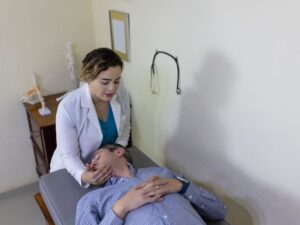
Our TMJ pain relief protocols employ specific adjustments addressing identified dysfunction throughout the craniocervical complex. Direct TMJ adjustments using gentle mobilization restore proper joint mechanics and disc positioning. Intraoral techniques address pterygoid muscle dysfunction and joint restrictions from inside the mouth. Temporal bone adjustments improve cranial rhythm and TMJ housing alignment. Upper cervical adjustments particularly at C1-C2 significantly influence TMJ function through neurological and mechanical connections. Hyoid bone mobilization addresses swallowing dysfunction and anterior neck tension affecting jaw position. Cranial techniques balance craniosacral rhythm influencing temporal bone position. Upper thoracic adjustments correct postural patterns affecting head and jaw positioning. We coordinate adjustments with jaw movements facilitating improved mechanics. Activator instruments provide gentle adjustments when manual techniques prove too uncomfortable. Treatment frequency typically begins at 2-3 times weekly, adjusting based on response and symptom severity.
Myofascial Release and Trigger Point Therapy
Muscular dysfunction significantly contributes to TMJ disorders requiring targeted soft tissue interventions. Trigger points in masticatory muscles create jaw pain and movement restrictions. Our treatment includes external massage of masseter and temporalis muscles reducing tension and improving circulation. Intraoral trigger point release addresses pterygoid muscles not accessible externally. Ischemic compression techniques deactivate trigger points restoring normal muscle function. Post-isometric relaxation combines gentle resistance with stretching for enhanced muscle lengthening. Reciprocal inhibition uses opposing muscle activation facilitating target muscle relaxation. Facial massage techniques address fascial restrictions throughout the jaw and face. Suboccipital release reduces upper cervical tension affecting jaw position. Cervical muscle treatment addresses compensatory patterns from altered jaw function. Self-massage instruction using specific techniques maintains improvements between visits. This comprehensive soft tissue approach addresses muscular components perpetuating TMJ dysfunction cycles.
Postural Rehabilitation for TMJ Disorders
Forward head posture significantly impacts TMJ function by altering jaw position and increasing muscle tension. For every inch of forward head position, the jaw must compensate, creating abnormal joint loading and muscle strain. Our postural rehabilitation begins with photographic analysis documenting alignment deviations. Specific exercises strengthen deep neck flexors pulling the head back over the shoulders. Chin tuck exercises retrain proper head positioning reducing TMJ stress. Scapular stabilization improves upper body alignment supporting proper head position. Breathing exercises coordinate diaphragmatic breathing with jaw relaxation. Tongue position training influences jaw posture and muscle activity. Work ergonomic assessment identifies factors perpetuating poor posture. Sleep position optimization reduces overnight jaw and neck stress. Mirror feedback improves postural awareness throughout daily activities. These postural corrections create lasting improvements in TMJ function by addressing underlying mechanical stresses.
Stress Management and Behavioral Modifications
Stress-related jaw clenching and grinding (bruxism) significantly contributes to TMJ disorders. Our comprehensive approach addresses both mechanical and behavioral factors. Stress reduction techniques including progressive muscle relaxation specifically target jaw muscles. Biofeedback training increases awareness of jaw tension patterns. Cognitive behavioral strategies identify and modify stress responses affecting jaw function. Daytime clenching awareness using reminder cues prevents unconscious muscle tension. Dietary modifications avoiding hard, chewy foods reduce joint stress during acute phases. Jaw rest positions maintaining slight space between teeth minimize sustained muscle activity. Sleep hygiene improvements reduce nocturnal bruxism triggers. We may recommend night guards protecting teeth and reducing joint loading during sleep grinding. Lifestyle counseling addresses work stress, relationship issues, and anxiety contributing to jaw tension. This multi-faceted approach addresses the psychosocial factors perpetuating TMJ dysfunction.
Coordinated Care with Dental Professionals
TMJ disorders often require collaborative care between chiropractors and dental professionals. We work with dentists addressing occlusal factors contributing to joint dysfunction. Orthodontists may correct bite abnormalities affecting TMJ loading patterns. Oral surgeons provide consultation for severe internal derangements or structural abnormalities. We coordinate timing of dental procedures with chiropractic treatment optimizing outcomes. Splint therapy prescribed by dentists may complement our manual treatments. Communication about treatment response helps both providers adjust approaches. Some patients benefit from simultaneous dental and chiropractic care addressing different disorder aspects. We provide detailed reports for dental colleagues documenting musculoskeletal findings. This collaborative approach ensures comprehensive TMJ disorder management addressing both joint dysfunction and dental factors. Our role emphasizes conservative manual therapy potentially avoiding invasive dental procedures.
Exercise Rehabilitation and Self-Care Strategies
Active rehabilitation empowers patients managing TMJ symptoms between visits and preventing recurrence. Controlled jaw exercises improve range of motion without aggravating symptoms. Isometric exercises strengthen jaw muscles without excessive joint movement. Stretching protocols address tight muscles limiting jaw opening. Coordination exercises retrain smooth jaw movements eliminating deviations. Proprioceptive training improves jaw position awareness. Tongue exercises influence jaw posture and swallowing patterns. Cervical exercises support proper head and jaw alignment. We provide detailed exercise instructions with frequency and progression guidelines. Heat and cold therapy protocols manage pain and inflammation at home. Dietary guidance includes texture modifications and anti-inflammatory nutrition. Activity pacing prevents overuse during symptom-free periods. Regular self-assessment identifies early warning signs prompting preventive care. These self-care strategies maintain clinical improvements and reduce treatment dependence.
Managing Complex TMJ Cases
Severe or long-standing TMJ disorders require modified approaches addressing chronic pain and dysfunction patterns. Internal derangements with disc displacement may need specialized techniques facilitating disc recapture. Arthritis affecting TMJs requires gentle mobilization maintaining mobility without aggravating inflammation. Post-surgical TMJ patients need careful treatment avoiding surgical sites while addressing compensatory patterns. Fibromyalgia patients with TMJ involvement benefit from whole-body approaches addressing systemic factors. Chronic pain patients require pain neuroscience education understanding central sensitization. Multidisciplinary approaches may include rheumatologists, pain specialists, or physical therapists. Realistic goal setting acknowledges that complete resolution may not be achievable for severe cases. Focus shifts to functional improvement and symptom management rather than cure. Regular reassessment identifies when referral for advanced interventions becomes necessary. This adaptive approach ensures appropriate care for complex TMJ presentations.
Prevention and Long-Term TMJ Health
Maintaining TMJ health requires ongoing attention to posture, stress, and jaw habits. Regular chiropractic adjustments address spinal restrictions before they affect jaw function. Daily exercises maintain jaw mobility and muscle balance. Stress management practices prevent tension accumulation in jaw muscles. Ergonomic awareness maintains proper head and jaw positioning during work and leisure. Dietary choices avoiding excessive hard foods protect joint structures. Sleep position optimization reduces overnight jaw stress. Early intervention when symptoms appear prevents progression to chronic dysfunction. Annual TMJ screening identifies developing problems before becoming symptomatic. Patient education about jaw anatomy and function promotes informed self-care decisions. These preventive strategies support long-term TMJ health and function while minimizing need for intensive treatment.
Find TMJ Relief at Primary Health Clinic Today
Don’t let TMJ pain control your life or limit your ability to eat, speak, and sleep comfortably. Primary Health Clinic’s specialized chiropractic for TMJ disorders offers comprehensive solutions addressing the complex factors contributing to jaw dysfunction. Our experienced chiropractors combine cranial adjustments, cervical spine treatment, and targeted soft tissue therapy for optimal outcomes. We understand TMJ disorders’ frustrating nature and provide patient-centered care focused on restoring comfortable jaw function. From acute jaw injuries to chronic TMD, our individualized treatment plans address your specific patterns and contributing factors. Insurance coverage and flexible payment options ensure accessible care. Take the first step toward TMJ pain relief by scheduling your comprehensive evaluation today. Our dedicated team at Primary Health Clinic stands ready to help you achieve lasting improvement through expert chiropractic care specifically designed for temporomandibular joint disorders. Contact us now to begin your journey toward pain-free jaw function and improved quality of life.