Understanding Sciatica Nerve Pain
Sciatica nerve pain is a common and often debilitating condition that affects millions of people worldwide. It occurs when the sciatic nerve, the longest nerve in your body, becomes compressed or irritated. This can result in sharp, shooting pain, numbness, tingling, or weakness that radiates from the lower back down through the buttock and into one or both legs. For many, this pain can interfere with everyday activities, making simple movements like standing, walking, or sitting a struggle.
But what causes sciatica? The most frequent culprits include herniated discs, spinal stenosis, degenerative disc disease, and injury from accidents or repetitive strain. Understanding the root cause is essential for effective sciatica nerve pain relief and to prevent future flare-ups.
Common Causes and Risk Factors
- Herniated or bulging lumbar discs
- Degenerative changes in the spine
- Spinal stenosis (narrowing of the spinal canal)
- Spondylolisthesis (slipped vertebra)
- Muscle spasms or tightness in the lower back or buttocks
- Trauma or injury to the lower back
- Prolonged sitting, poor posture, or improper lifting techniques
People with sedentary lifestyles, those who are overweight, or individuals engaged in physically demanding jobs are more likely to experience sciatic nerve pain. Genetics can also play a role, as can aging and general wear and tear on the spine.
Recognizing Sciatica Symptoms
The hallmark symptom of sciatica is pain that radiates from the lower back into the leg, often following the path of the sciatic nerve. However, other symptoms can accompany or mimic sciatica:
- Burning or tingling sensations down the leg
- Numbness or weakness in the affected leg or foot
- Pain that worsens with movement, coughing, or sneezing
- Difficulty standing up or sitting down for long periods
- Loss of bladder or bowel control (rare and requires immediate medical attention)
Identifying your symptoms and their triggers is a crucial step in determining the best course of treatment for leg pain relief and sciatic nerve treatment.
Conservative Sciatica Pain Relief Options
Many cases of sciatica can be successfully managed without surgery. The primary goal is to reduce nerve compression, alleviate pain, and restore function. Conservative care at Primary Health Clinic may include:
- Physical Therapy: Targeted exercises and stretches help reduce pressure on the sciatic nerve, improve mobility, and strengthen supporting muscles.
- Decompression Therapy: Gentle mechanical traction relieves pressure on compressed discs and nerves, enhancing blood flow and facilitating healing.
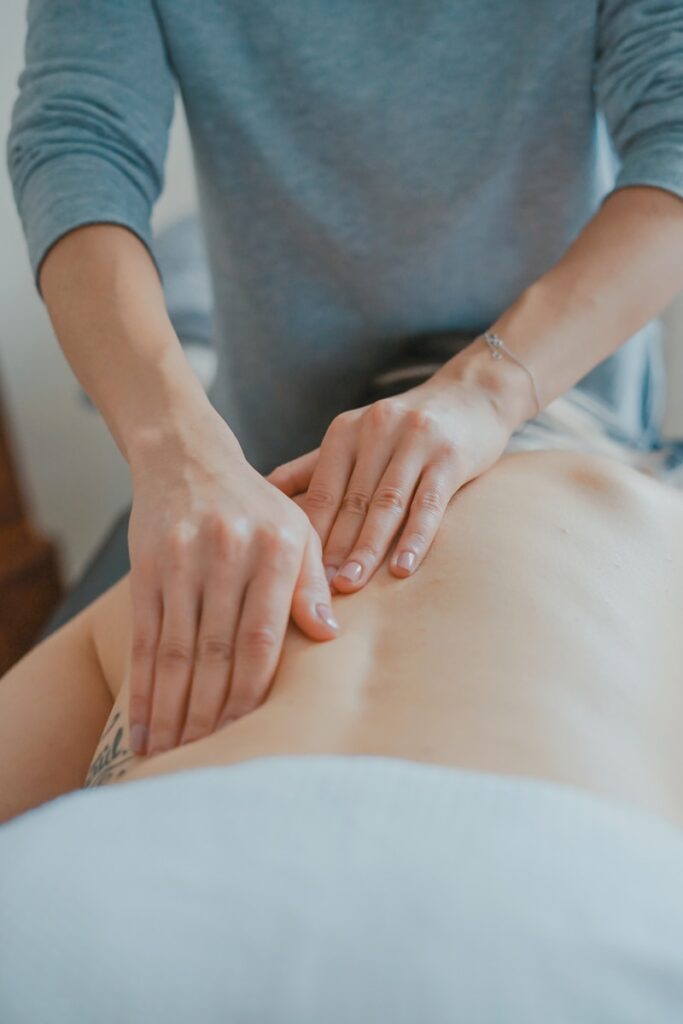
- Manual Therapy: Hands-on techniques, such as massage and joint mobilization, reduce muscle tension, break up scar tissue, and improve spinal alignment. Learn more about manual therapy for whiplash stiffness.
- Medication: Anti-inflammatory drugs and muscle relaxants can help manage pain and inflammation during acute episodes.
- Hot and Cold Therapy: Alternating between heat and ice packs soothes inflamed tissues and reduces pain signals.
- Activity Modification: Adjusting posture, ergonomic changes, and avoiding activities that aggravate symptoms can support healing.
Advanced Decompression Therapy for Sciatica
Decompression therapy is a non-surgical treatment that gently stretches the spine, creating negative pressure and allowing herniated or bulging discs to retract. This relieves compression on the sciatic nerve and promotes the flow of healing nutrients. At Primary Health Clinic, our advanced decompression therapy equipment is customized for your body and condition, maximizing comfort and results.
- Sessions are typically pain-free and relaxing
- Each session lasts 20-30 minutes
- A typical course may include multiple treatments per week for several weeks
- No downtime or recovery required—most patients return to daily activities immediately
Decompression therapy is especially effective for those with pain relief for herniated disc or degenerative disc disease. Combined with physical therapy and other supportive treatments, it delivers lasting leg pain relief.
When to Consider Further Medical Intervention
If conservative approaches fail to provide relief after several weeks, or if you experience progressive weakness, numbness, or loss of function, advanced diagnostics or surgical intervention may be necessary. At Primary Health Clinic, we collaborate with top specialists to ensure you receive the most appropriate care for your unique needs.
- Imaging Studies: MRI or CT scans can reveal the exact cause of nerve compression
- Interventional Pain Management: Epidural steroid injections or nerve blocks may help reduce inflammation and pain
- Surgical Options: In rare, severe cases, procedures such as microdiscectomy or laminectomy may be recommended
Home Remedies for Sciatica Nerve Pain Relief
In addition to professional treatments, some at-home strategies can support your recovery and minimize flare-ups:
- Perform gentle stretches for the lower back, hips, and hamstrings daily
- Apply ice or heat packs as needed
- Practice good posture when sitting, standing, or lifting objects
- Maintain a healthy weight and stay active
- Avoid prolonged sitting—take movement breaks every 30-60 minutes
- Sleep on a supportive mattress, possibly with a pillow between the knees
Prevention: Reducing the Risk of Future Sciatica
While not all cases of sciatica can be prevented, the following lifestyle changes can significantly reduce your risk:
- Strengthen your core muscles with targeted exercises
- Use proper body mechanics when lifting
- Stay active and maintain flexibility
- Limit repetitive movements that strain the back
- Address back pain promptly with professional help
Why Choose Primary Health Clinic for Sciatic Nerve Treatment?
At Primary Health Clinic, our integrative team provides expert assessment and customized treatment for sciatica nerve pain. We combine evidence-based therapies with a patient-centered approach, focusing on your goals for pain relief and mobility. Our commitment includes:
- Comprehensive evaluation and diagnosis
- Personalized care plans tailored to your condition and lifestyle
- Access to the latest decompression therapy technology
- Experienced physical therapists, chiropractors, and pain management specialists
- Ongoing support and education to help you manage your condition long-term
FAQs About Sciatica and Decompression Therapy
- Is decompression therapy safe?
Yes. When performed by qualified professionals, decompression therapy is considered very safe and is non-invasive. - How long does it take to see results?
Many patients feel significant improvement within a few weeks of starting therapy, but results vary based on severity and individual response. - Can sciatica return after treatment?
With the right preventive strategies and ongoing self-care, most patients enjoy long-lasting relief. However, it’s important to address any future symptoms early.
Start Your Path to Leg Pain Relief Today
Don’t let sciatica or nerve compression hold you back from an active life. Whether you are struggling with pain from a herniated disc, muscle spasm, or unknown cause, the team at Primary Health Clinic is here to help. With personalized care, advanced decompression therapy, and ongoing support, you can regain your mobility and enjoy lasting relief.
Contact us now to schedule a consultation and take the first step toward a pain-free future. For related solutions, explore our specialized pages on pain relief for herniated disc and manual therapy for whiplash stiffness.