How We Approach Pediatric Pain Relief
Kids deserve care that is effective, respectful, and tailored to growing bodies. Our approach starts with careful listening about symptoms, school and sports demands, sleep, and stressors at home. We combine evidence-based pediatric care with practical strategies a family can use right away. We emphasize non-drug pain management, age-appropriate explanations, and choices so each child feels safe and in control. Treatment is gentle and focused, and parents learn how to encourage movement and track progress with kid-friendly goals such as sitting through class comfortably or returning to practice at a modified level. We coordinate with pediatricians, coaches, and school staff when helpful.
Each plan follows a whole-child assessment that considers posture, flexibility, strength, coordination, breathing, and how a child moves in daily tasks like lifting a backpack or working at a desk. Because bodies change quickly during growth, we update plans regularly and keep sessions positive and brief. Parents receive simple written and video guidance so home strategies are easy to follow.
Common Concerns by Age Group
Infants and toddlers may show discomfort as irritability with tummy time or difficulty turning the head evenly; early care emphasizes positioning and playful movement. Preschool and early elementary children often have minor sprains or soreness from new activity loads; sessions are game-based. Older elementary and middle schoolers may develop overuse patterns from year-round sports or screen-related neck and upper back strain. Teens often report sports strains, tension headaches, or back and knee pain linked to growth spurts, training volume, or posture. Across ages, we also check sleep, nutrition, and workload, which influence recovery.
- Headaches and migraines related to screen time, posture, or tension
- Neck and back pain from schoolwork, device use, or sports
- Overuse injuries such as tendinopathy, apophysitis, and shin splints
- Ankle sprains, knee strain with jumping or cutting, and shoulder soreness in overhead sports
- Growing pains and temporary coordination changes during growth spurts
Gentle, Family-Centered Techniques
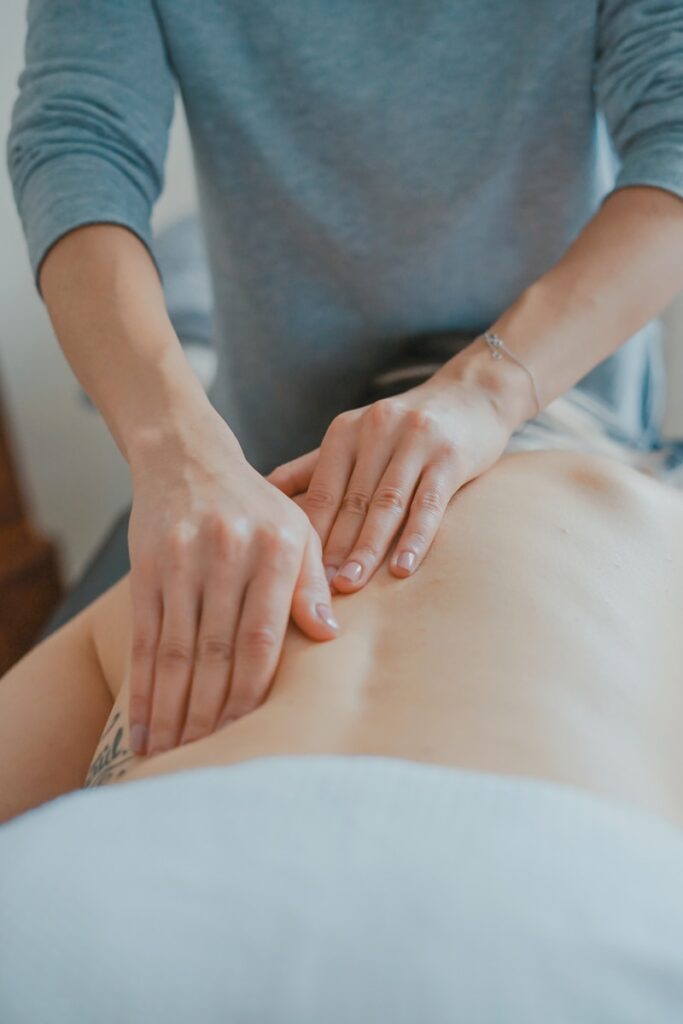
Care centers on gentle manual therapy, therapeutic exercise, and movement coaching. Gentle hands-on techniques may include light soft-tissue work, graded joint mobilization within comfortable ranges, and proprioceptive input to help muscles relax and joints move more smoothly. These are paired with playful drills that build balance, coordination, and strength. When appropriate we use taping, braces, or orthotics guidance to reduce strain while an area recovers. Parents are included each step so family-centered care continues confidently at home.
- Benefits include reduced pain and calmer movement patterns
- Better posture and ergonomics for school, music, and devices
- Strength, balance, and coordination tailored to a child’s sport
- Home plans that fit busy schedules with minimal equipment
- Meaningful progress markers, like playing a full game without flare-ups
We also teach quick breathing and relaxation strategies that help the nervous system settle, which can reduce pain sensitivity and muscle guarding. Because our approach reflects evidence-based pediatric care, each exercise has a clear purpose and a way to scale up or down.
Sports Strains, Growing Pains & Posture
Active kids thrive when training loads progress gradually and technique is reinforced. We assess patterns for running, jumping, throwing, and change of direction. If heel pain appears during a growth spurt, we adjust training volume, strengthen calves and hips, and suggest temporary modifications such as cross-training. For knee discomfort with jumping, we target hip control, landing mechanics, and quad strength. Back pain often responds to hip and mid-back mobility paired with trunk endurance drills that are fun and measurable. Posture matters, but frequent position changes and strong, comfortable shapes are even more important at school and home.
Home Care, Movement & Ergonomics for School
Small changes at home and school can shift pain in a big way. We help families create a supportive homework setup and sprinkle short movement breaks between tasks. Kids and teens learn to pace activity, warm up effectively, and cool down with brief mobility and breathing routines. These steps make non-drug pain management realistic on busy days.
- Backpack basics: snug fit with a strap when available; keep weight reasonable
- Desk setup: screen near eye level, feet supported, elbows roughly at desk height
- Movement breaks: 2–3 minutes every 25–30 minutes to change position
- Warm-up: dynamic drills for hips, ankles, and shoulders before practice
- Sleep: consistent bedtime and a dark, quiet room support recovery
- Hydration and fueling: steady snacks and water aid focus and healing
How We Communicate with Parents
Parents and guardians are partners. We outline the plan in plain language, clarify timelines, and agree on signs of progress. Every family receives a concise summary with home exercises, activity modifications, and school accommodations if needed. When coaches or school staff need guidance, we provide notes that explain safe participation and return-to-play steps.
Safety, Red Flags & When We Refer
Most childhood aches respond to simple measures, but some signs call for medical evaluation. We refer promptly and coordinate with pediatricians when symptoms include unexplained fever, night pain that does not change with position, unintentional weight loss, notable weakness or numbness, changes in bowel or bladder control, severe headache with neurological changes, or pain after significant trauma. We also refer if progress stalls despite an appropriate trial of care. This collaborative model keeps kids safe.
FAQs for Parents & Guardians
Is there a right age for care? We see children from infancy through the teen years, adapting techniques to each developmental stage.
Do parents need to be present and give consent? Yes. A parent or guardian participates, provides consent, and learns home strategies. Older teens may be seen with guardian permission.
Will my child be sore after a session? Mild, short-lived soreness can occur after new activity. We keep intensity low at first and teach simple recovery steps.
Can you provide school or sports notes? Yes. We issue concise notes that outline temporary activity changes and return-to-play progressions.
Is this covered by insurance? Coverage varies by plan and service. We can discuss options, provide receipts, and coordinate with your pediatrician.
Next Steps: Book a Visit
If your child is missing out on activities, hesitating at practice, or struggling to sit comfortably in class, we can help. Our blend of pediatric pain relief, gentle manual therapy, progressive exercise, and coaching gives families tools that work in the real world. Whether the goal is a full game without flare-ups or a backpack that no longer triggers neck tension, we will build a plan that fits. Schedule today to start family-centered care that is clear, kind, and practical at Primary Health Clinic.
- Check in and set goals
- History and movement assessment
- Explain findings in kid-friendly language
- Begin treatment with gentle techniques and simple exercises
- Send home a personalized plan with brief videos
- Coordinate with your pediatrician, coach, or school if needed
- Follow up to progress activities and celebrate wins
Kids are resilient and capable. With the right plan, most pains settle and confidence grows, supported by family-centered care and steady practice at home.