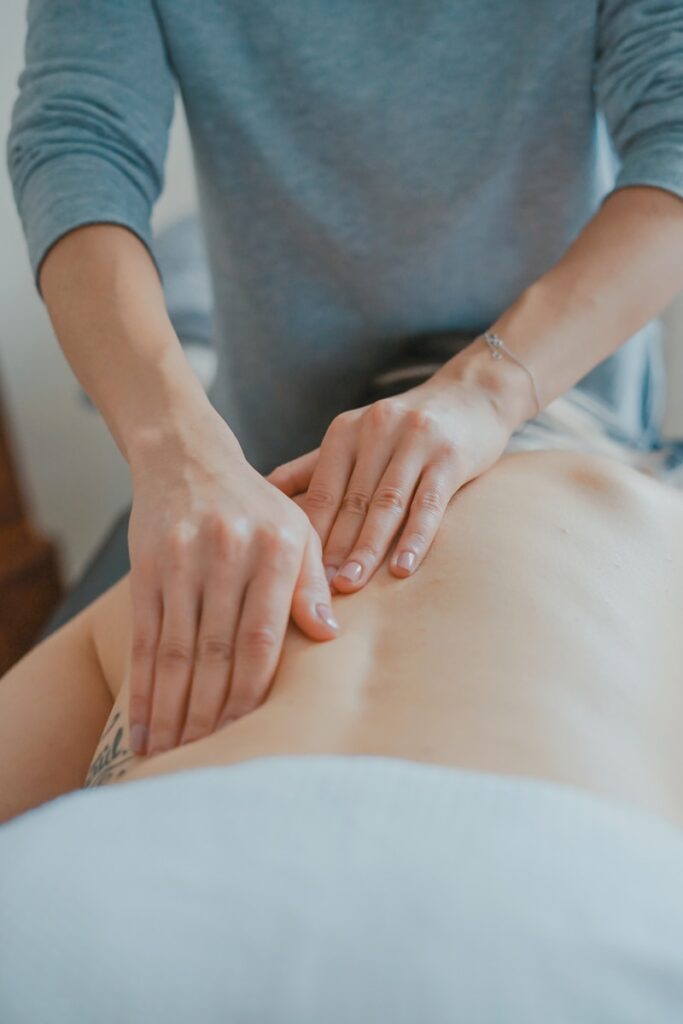
The Pain–Sleep Cycle Explained
Pain and sleep are tightly connected: when pain spikes, falling and staying asleep gets harder; when sleep is short or fragmented, the nervous system becomes more sensitive and pain feels louder the next day. This two-way pattern is called the pain–sleep cycle. Stress hormones rise, tissues feel stiff, and even small tasks seem more draining. The goal at Primary Health Clinic is to break that cycle using evidence-based self-care and non-surgical pain relief strategies that calm irritation at night and build capacity by day. Expect practical coaching on pacing, positions, breathing, and routines that help your brain re-learn safety and quiet the alarm signals. By improving sleep continuity and deep-stage sleep, you support recovery chemistry—hormones that repair tissue, regulate inflammation, and balance mood—so you wake less sore and more ready to move.
How Poor Sleep Amplifies Pain
Short, irregular, or low-quality sleep can reduce your pain threshold by altering how the brain filters signals. Inflammation markers rise, muscles hold extra tension, and the parts of the brain that quiet discomfort work less efficiently. That is why the same chore can feel easy after a solid night and flaring after a restless one. Building better nights starts with realistic goals: extend total sleep time a little at a time, protect the same sleep–wake window, and reduce late-evening spikes in stimulation. Small improvements compound. You may notice fewer night awakenings, easier mornings, and more tolerance for the activities you enjoy. When combined with daytime movement and strength work, consistent sleep hygiene for pain often reduces flare-ups and makes other strategies—manual therapy, mobility, and pacing—more effective.
Positions & Pillows for Better Rest
Comfortable alignment reduces strain on sensitive joints and tissues. For side sleeping, place a pillow between the knees and hug a second pillow to keep the top shoulder open; ensure the head pillow is tall enough to fill the space between neck and mattress so your head stays level. For back sleeping, keep a small pillow or folded towel under the knees to relax the lower back and consider a thin pillow that keeps the chin from tilting upward. Stomach sleeping can stress the neck; if you must, use a very thin pillow and position the head more neutral. If shoulder discomfort wakes you, try placing a small towel under the arm or switching sides before symptoms escalate. Rotate pillow height and mattress zones to find what feels neutral; your best position is the one you can maintain without holding breath or bracing.
Wind-Down Routines & Sleep Hygiene
Your evening routine teaches your nervous system that it is safe to relax. Aim for a consistent bedtime and a 30–60 minute wind-down that gradually lowers stimuli. Dim lights, reduce notifications, and shift to low-effort tasks: light reading, warm shower, journaling, or gentle mobility. Keep the bedroom dark, cool, and quiet; reserve the bed for sleep and intimacy. Anchor a simple cue—like the same playlist or breathing drill—to signal “time to downshift.” Consider a warm (not hot) bath 60–90 minutes before bed to help the body cool naturally when you get under the covers. If worries race, a brief “brain dump” on paper can stop mental loops. Build your routine around what you will actually do consistently, not what sounds ideal for one night. Use the list below for quick guardrails:
- Do: keep a regular sleep–wake schedule, even on weekends.
- Do: dim lights and reduce noise an hour before bed.
- Do: use a warm shower or bath to relax and prime sleepiness.
- Do: practice a 5–10 minute relaxation or breathing drill.
- Don’t: scroll in bed; blue light and novelty keep the brain alert.
- Don’t: tackle heavy emails or intense debates late at night.
- Don’t: go to bed starving or overly full; choose a light snack if needed.
- Don’t: power through pain spikes; reset with a brief mobility break.
Gentle Evening Mobility & Breathing
A short, no-sweat routine can reduce stiffness without revving the system. Try 5–10 minutes: slow neck rotations; shoulder blade squeezes; cat–cow or pelvic tilts; calves and hip flexor stretches held for relaxed breaths; and a supported child’s pose or figure-4 stretch if comfortable. Pair movement with diaphragmatic breathing: inhale through the nose, expand ribs and belly softly, exhale longer than the inhale to stimulate calm. If pain flares, reduce the range; the goal is soothing motion, not a workout. This light routine builds a bridge from daytime activity to nighttime rest and supports non-surgical pain relief by decreasing protective guarding and improving circulation.
Medication, Caffeine & Screen-Time Guidance
Discuss medication timing with your clinician or pharmacist, especially if nighttime discomfort is frequent. Some people benefit from adjusting when they take certain over-the-counter options; others may not need medication at all. Keep caffeine to the morning or early afternoon; even if you fall asleep after late caffeine, deep sleep can be reduced. Alcohol may make you drowsy but fragments sleep later—limit or avoid near bedtime. Screen light and stimulating content can delay sleepiness; if you use devices, enable night modes and set a firm “screens off” point during your wind-down. Hydrate earlier in the evening to reduce overnight bathroom trips, and consider a light protein–carb snack if hunger wakes you at night. Remember: changes do not have to be perfect to help; consistent, modest shifts create meaningful gains in comfort.
When to Seek Evaluation for Sleep Disorders
Sometimes sleep problems signal a condition that needs specific treatment. Talk with your healthcare clinician if you snore loudly, stop breathing at night, wake with morning headaches, feel excessively sleepy during the day, or have restless, crawling sensations in the legs. Chronic insomnia—difficulty falling or staying asleep at least three nights per week for three months—responds well to structured approaches like cognitive behavioral therapy for insomnia. If pain wakes you at the same time nightly, or if heartburn, hot flashes, or breathing issues are present, targeted medical care may be indicated. An evaluation can clarify what is pain-driven versus what is a separate sleep issue so your plan can be precise and effective.
FAQs: Naps, Sleep Aids, Night Pain
Are naps okay? Short naps (10–20 minutes) earlier in the day can help if the previous night was poor, but long or late naps can make bedtime harder. If insomnia is present, skip naps and protect a regular sleep window.
Should I use sleep aids? Over-the-counter aids can have next-day effects and are not designed for long-term use. Discuss risks and benefits with a clinician. Behavioral strategies typically produce more durable results for pain and sleep.
What if pain wakes me? Try a quiet reset: slow breathing, a gentle position change, or your favorite two-minute stretch sequence. If wide awake after ~20 minutes, leave the bed for a calm activity in low light and return when sleepy.
Which pillow or mattress is best? The one that keeps your neck and spine neutral and feels comfortable. There is no single brand that works for everyone; adjust height and support until your body can relax without bracing.
Personalized Help from Primary Health Clinic
If you are stuck in the pain and sleep loop, a personalized plan can help you progress with confidence. Our team blends evidence-based care, manual therapy, and practical coaching so you sleep more soundly and wake ready to move. Use this simple nightly checklist to nudge your routine in the right direction:
- Set a consistent bedtime and wake time you can keep most days.
- Begin a 30–60 minute wind-down: dim lights, reduce noise, and slow tasks.
- Finish screens and caffeine early; avoid alcohol near bedtime.
- Do 5–10 minutes of mobility and diaphragmatic breathing.
- Set up pillows for neutral alignment (side or back preferred).
- Create a cool, dark, quiet bedroom environment.
- Use a brief “brain dump” and a calming cue (music, breath, or reading).
- If awake and alert, reset outside the bed and return when sleepy.
When you are ready for targeted guidance, schedule a visit with Primary Health Clinic. We will assess your sleep barriers, tailor positions and routines, and integrate non-surgical pain relief strategies into your day so nights get easier. Together we will break the cycle and help you rebuild strength, mobility, and confidence with steady, sustainable steps.